
Prophets hold a special place in Islam. Allah sent them as guides to teach people how to live with kindness, honesty, patience, and faith. For children, learning about prophets becomes easier and more meaningful through stories. That is why prophet Islamic stories for kids are one of the most beautiful ways to introduce faith at a young age.
Stories help children understand big ideas through simple moments — feelings of sadness, hope, mistakes, and forgiveness. When parents share stories of prophets for kids, children see real examples of courage, trust in Allah, and good character. These lessons gently support character building in Islam without complicated explanations.
Storytelling also strengthens emotional learning. Children remember stories longer than instructions. A short story before sleep can become a powerful tool for teaching Islam to children while creating peaceful family routines, similar to Islamic bedtime stories and daily reflection.
The following stories are written especially for young listeners, helping parents nurture Islamic values for children through warmth, imagination, and authentic lessons from the prophets in Islam.
What Are Prophet Stories in Islam?
Prophet stories are Quran-based stories that teach children about the lives, struggles, and good character of Allah’s messengers. These stories help kids understand faith, patience, honesty, and trust in Allah through real examples, making Islamic teachings easier to learn and remember.
Benefits of Prophet Stories for Kids
- Build strong moral development through examples
- Help children understand faith in simple ways
- Support emotional learning and empathy
- Provide positive role models from prophets in Islam for kids
- Encourage patience in Islam and gratitude
- Strengthen family learning time through storytelling
- Make teaching Islam to children natural and engaging
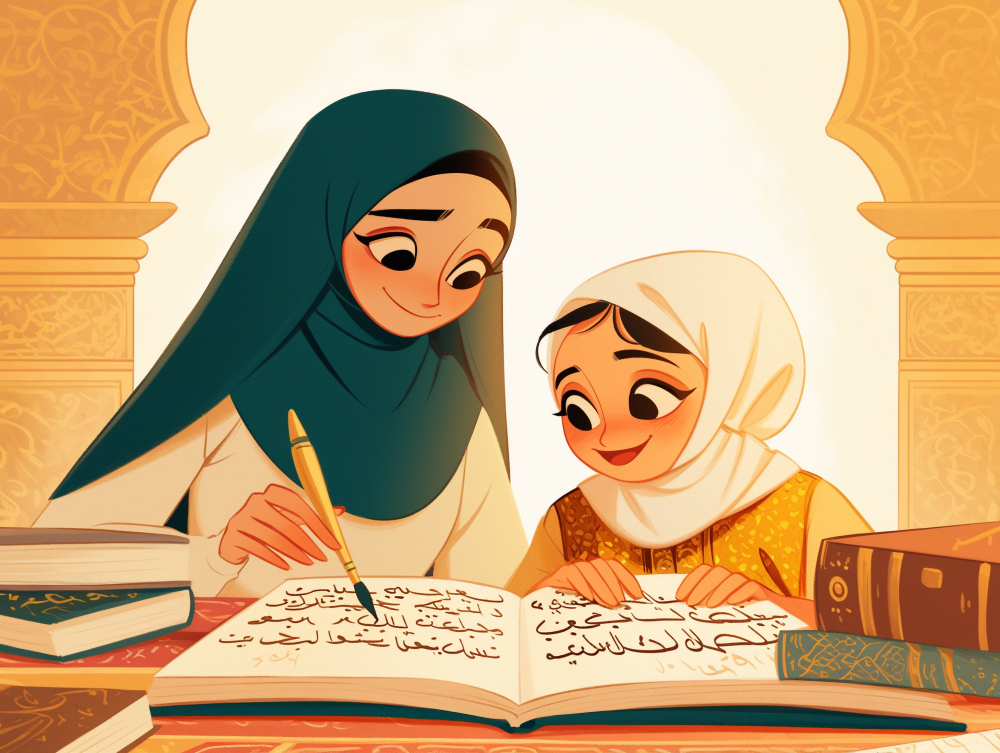
Prophet Adam (AS): Learning from a Mistake
Prophet Adam (AS) was the first human created by Allah. He lived in Jannah with his wife, where everything was peaceful and beautiful. Allah allowed them to enjoy everything except one tree.
Shaytan whispered to Adam (AS), encouraging him to eat from it. Adam (AS) made a mistake and forgot Allah’s command. Soon, he felt sadness and regret.
Instead of hiding or blaming others, Adam (AS) turned to Allah and sincerely asked for forgiveness. Allah, who is Most Merciful, accepted his repentance and taught humanity an important lesson: mistakes can become steps toward goodness when we return to Allah.
Adam (AS) then began life on Earth, teaching his children to worship Allah and live with honesty and responsibility.
This story helps children understand that even good people make mistakes — but what matters most is learning, saying sorry, and trying again.
Moral Lesson for Kids
Everyone makes mistakes. Saying sorry, fixing our actions, and improving ourselves makes us stronger and closer to Allah.
What Children Learn from This Prophet
- Mistakes are part of learning
- Allah loves forgiveness
- Honesty in Islam includes admitting wrong actions
- Trying again is always possible
Islamic Teaching
The Qur’an mentions that Adam (AS) asked Allah for forgiveness and Allah accepted him.
This teaches children that Allah is always ready to forgive when we sincerely repent.
Prophet Nuh (AS): The Lesson of Patience and Trust
Prophet Nuh (AS) spent many years inviting people to believe in Allah. Day after day, he spoke kindly and patiently, but many people refused to listen.
Even when others laughed at him, Nuh (AS) never became angry or gave up. Allah commanded him to build a large ark (boat). People mocked him because there was no rain, yet he trusted Allah completely.
When the great flood came, those who believed were saved in the ark. Nuh (AS) showed patience during hardship and trust during uncertainty.
Children can imagine how difficult it must have been to keep going when no one listened. Still, Nuh (AS) remained hopeful because he knew Allah’s wisdom is perfect.
Moral Lesson for Kids
Patience means continuing to do good even when results take time. Children learn patience at school, at home, and while learning new skills.
What Children Learn from This Prophet
- Patience in Islam brings reward
- Trust in Allah during difficult times
- Kindness even toward those who disagree
- Never giving up on doing good
Islamic Teaching
The Qur’an describes Nuh (AS) as a grateful and patient servant.
Allah teaches believers to stay patient because He sees every effort.
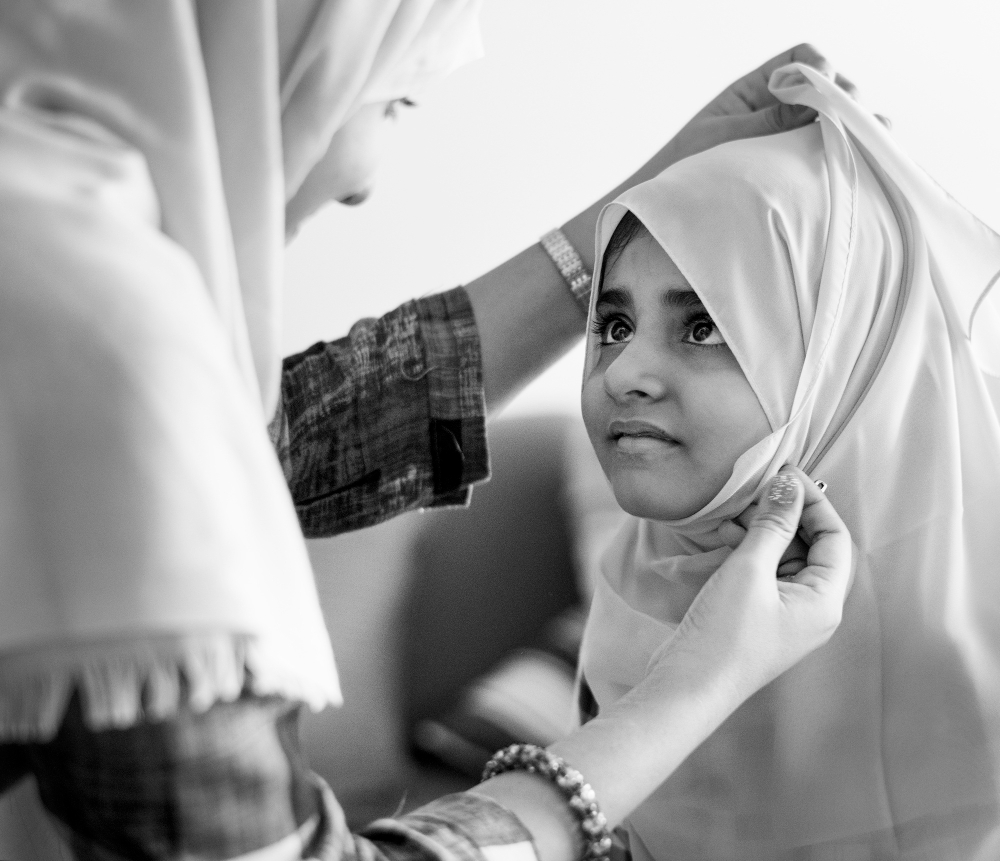
Prophet Ibrahim (AS): Faith and Obedience
Prophet Ibrahim (AS) loved Allah deeply from a young age. He noticed people worshiping idols made from stone and wondered how objects that could not move or speak could be gods.
With courage and wisdom, Ibrahim (AS) taught people to worship only Allah. Even when facing challenges, he remained firm in his faith.
One of the greatest tests came when Allah asked Ibrahim (AS) to sacrifice something very dear to him. Ibrahim (AS) trusted Allah completely and obeyed without hesitation. Before the sacrifice happened, Allah replaced it with a ram, showing that the test was about faith and obedience.
This story teaches children that trusting Allah sometimes means doing what is right even when it feels difficult.
Moral Lesson for Kids
Obedience to Allah and parents helps children grow strong character and faith.
What Children Learn from This Prophet
- Trust in Allah brings peace
- Courage to stand for truth
- Faith during challenges
- Obedience with sincerity
Islamic Teaching
The Qur’an praises Ibrahim (AS) for his strong faith.
His story reminds children that Allah rewards those who trust Him fully.
Prophet Yusuf (AS): Patience and Forgiveness
Prophet Yusuf (AS) was loved by his father, which made his brothers jealous. They treated him unfairly and left him far from home. Yusuf (AS) experienced loneliness, hardship, and many tests.
Even during difficult times, Yusuf (AS) remained honest and patient. Years later, Allah raised him to a position of honor and leadership.
When Yusuf (AS) finally met his brothers again, he had the chance to take revenge. Instead, he forgave them with kindness.
His forgiveness surprised everyone and healed their family.
Children learn that true strength is not anger but kindness and patience.
Moral Lesson for Kids
Forgiving others removes sadness from the heart. Patience helps good outcomes appear over time.
What Children Learn from This Prophet
- Forgiveness is powerful
- Patience during hardship
- Honesty in Islam matters always
- Allah rewards perseverance
Islamic Teaching
The Qur’an calls Yusuf’s story one of the best stories.
It teaches that Allah’s plan brings good even after difficulty.
Prophet Muhammad ﷺ: The Example of Kindness and Mercy
Prophet Muhammad ﷺ showed kindness to everyone — children, neighbors, animals, and even those who were unkind to him.
One day, a woman regularly threw rubbish near his path. Instead of responding with anger, he remained patient. When she became ill and stopped appearing, he visited her to check on her health.
The woman was surprised by his compassion and understood the beauty of Islam through his actions.
The Prophet ﷺ smiled often, greeted people warmly, and treated children with love and respect. He taught that the best believers are those with the best manners.
His life is filled with prophet muhammad stories for kids that teach mercy, empathy, and gentle behavior.
Moral Lesson for Kids
Kindness is stronger than anger. Treating others well shows true faith.
What Children Learn from This Prophet
- Mercy toward everyone
- Good manners in daily life
- Respect and empathy
- Leading by example
Islamic Teaching
The Qur’an describes Prophet Muhammad ﷺ as a mercy to the worlds.
Children learn that kindness is a central part of Islam.
Frequently Asked Questions (FAQs)
Why should children learn prophet stories?
Prophet stories for children provide real role models who show patience, honesty, and kindness. Stories help children understand Islamic values through relatable situations instead of lectures, making lessons easier to remember and apply in daily life.
Which prophet story is best for kids?
Stories of Prophet Yusuf (AS) and Prophet Muhammad ﷺ are especially engaging because they include emotions children understand — family, friendship, forgiveness, and kindness. However, every prophet story offers unique lessons from prophets that support character development.
At what age should kids learn about prophets?
Children can begin learning short prophet stories from ages 3–4 using simple language. Ages 4–10 are ideal for deeper understanding because children start connecting actions with moral lessons and emotional meaning.
Are prophet stories suitable for bedtime?
Yes. Prophet stories make excellent Islamic bedtime stories because they calm children while teaching faith and values. Listening before sleep helps children reflect quietly and remember lessons longer.
How can parents teach prophet stories effectively?
Parents can read slowly, ask simple questions, and connect lessons to daily routines like sharing, honesty, or helping others. Combining stories with daily duas for kids and discussions about Islamic manners for children strengthens learning naturally.
Conclusion
Stories of the prophets are more than history — they are living lessons that shape children’s hearts and behavior. Reading prophet stories for kids regularly helps children understand patience, forgiveness, kindness, and trust in Allah through meaningful examples.
When parents include storytelling in bedtime routines, children begin to associate faith with warmth, safety, and love. These moments build emotional connections with Islam while supporting strong moral development.
You do not need long lessons or complicated explanations. A simple story shared consistently can guide character, strengthen belief, and inspire good actions every day.
Make prophet stories part of your family routine, connect lessons to real-life situations, and nurture faith gently through storytelling.
Explore more Islamic learning resources for children.