
Introduction
For many Muslims, Ramadan arrives faster than expected. The crescent moon signals the start, and suddenly intentions to pray more, read Qur’an, wake for Tahajjud, and manage daily responsibilities feel overwhelming. The common mistake is waiting until the moon is sighted before preparing. By that time, habits are not ready, energy management is off, and motivation alone cannot carry you through the intense days of fasting and worship.
Preparation is what separates a transformative Ramadan from a stressful one. When done intentionally, it ensures your spiritual, mental, and physical routines are aligned with the demands of the month. This guide will help you understand what preparation entails, build realistic pre-Ramadan routines, and gently introduce tools like planners to organize your goals effectively.
Why Preparing Before Ramadan Matters
Ramadan is spiritually and physically demanding. Fasting, late-night prayers, Qur’an recitation, and family responsibilities all require energy and focus. Habits cannot shift overnight. Attempting to suddenly pray more or adjust sleep schedules without preparation often leads to frustration or burnout.
Preparing for Ramadan means gradually adjusting worship habits, daily routines, mindset, and health practices before the month begins so worship becomes sustainable instead of overwhelming. Early preparation allows for a smoother transition, helping you maintain consistency and spiritual focus throughout the month.
- Builds sustainable worship habits
- Reduces physical and emotional stress
- Strengthens motivation through small, achievable adjustments
Spiritual Preparation for Ramadan
Spiritual readiness starts before the first day of fasting. Gradually increasing engagement in worship builds momentum and reduces shock when Ramadan begins.
Strengthening Salah Before Ramadan
- Begin praying all five daily prayers on time, including optional Sunnah prayers
- Review correct recitation and mindfulness in prayer
- Track prayers with a checklist to reinforce consistency
Increasing Qur’an Reading Slowly
- Start with a realistic target of pages or verses per day
- Build up to the amount you intend to complete in Ramadan
- Reflect on the meaning to deepen connection, not just quantity
Building Dua Habits
- Create a daily dua routine for morning and evening
- Include personal, family, and community supplications
- Use reflection journals to note answered prayers
For more dua guidance, see our Duas for Ramadan resource.
Repentance and Intention Renewal
- Make sincere repentance for past shortcomings
- Renew niyyah (intention) for Ramadan to align actions with purpose
- Reflect on what you want to achieve spiritually this year.
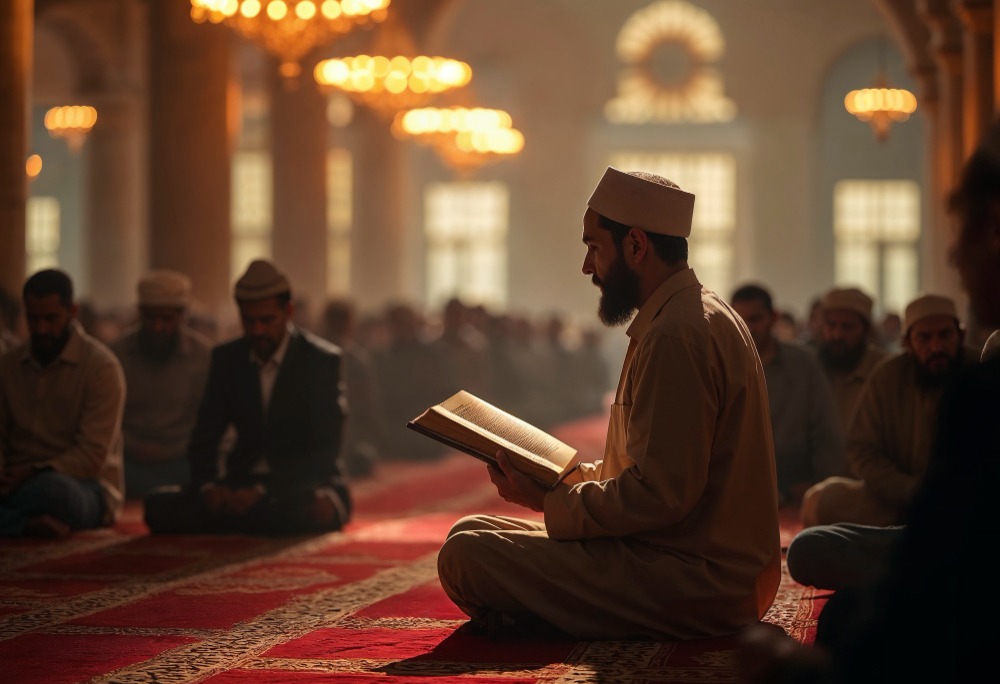
Mental Preparation: Resetting Your Focus
A clear, focused mind is essential to sustain worship and avoid distraction.
- Reducing distractions: Identify time-wasting habits and replace them with productive routines
- Limiting social media: Set daily boundaries to protect reflection and prayer time
- Clarifying Ramadan goals: Define what success looks like in worship, personal growth, and family engagement
- Emotional readiness: Prepare for challenges, recognize triggers that reduce patience, and build coping strategies
Physical Preparation for Fasting
Your body needs adjustment to prevent fatigue and maintain energy.
- Sleep adjustments: Gradually shift sleeping hours to align with Suhoor and Taraweeh
- Hydration habits: Drink sufficient water daily to prepare for long fasting hours
- Gradual caffeine reduction: Reduce coffee or tea intake to prevent withdrawal during fasting
- Meal planning mindset: Plan Suhoor and Iftar meals to balance nutrition and avoid energy crashes
Ramadan 2026 Preparation Checklist
A pre-Ramadan checklist helps you stay organized and intentional. You can print it or track it digitally.
- Set Ramadan goals (spiritual, mental, physical)
- Create a daily worship schedule
- Prepare a dua list for each day and special nights
- Plan Qur’an completion targets
- Organize work responsibilities to allow worship breaks
- Prepare family routines for shared prayers and meals
- Choose a Ramadan planner to track all of the above
For ideas on planning, see our Ramadan planner guide.
Using a planner now helps you transition smoothly into Ramadan and keeps habits consistent.
Common Mistakes Muslims Make Before Ramadan
Being honest about pitfalls helps avoid burnout.
- Waiting for motivation: Relying on last-minute inspiration is unreliable
- Unrealistic goals: Overestimating how much Qur’an or prayer can be completed at once
- Ignoring sleep: Poor rest reduces focus and energy
- Overplanning without execution: A plan is only useful if acted upon consistently
Tools That Make Ramadan Preparation Easier
Structured tools reduce mental load and help maintain consistency.
- Ramadan productivity tools can remind you of prayer times and dua routines
- Digital planners track goals and provide notifications
- Printable trackers offer reflection space and habit monitoring
How a Ramadan Planner Helps Before Ramadan Even Starts
A planner is not just for Ramadan days; it is a preparation tool.
- Goal clarity: Clearly defines what you intend to achieve spiritually
- Habit tracking: Allows gradual habit building before fasting begins
- Reduced anxiety: Organizes daily tasks to prevent overwhelm
- Smooth transition: Makes the first day of Ramadan structured and intentional
You can explore our Ramadan Planner.
Frequently Asked Questions
When should I start preparing for Ramadan?
Ideally 4–6 weeks before Ramadan begins, allowing gradual adjustment of worship and daily routines.
How do beginners prepare?
Start small: fix prayers, read a few Qur’an verses daily, set achievable dua targets, and track progress in a simple journal.
What habits should I build before Ramadan?
Prayer consistency, Qur’an reflection, dua journaling, healthy sleep, and hydration habits are essential.
Is planning necessary for Ramadan?
Planning is highly beneficial. It reduces stress, creates consistency, and ensures spiritual goals are realistic.
How do families prepare together?
Set shared prayer times, create family Qur’an or dua challenges, plan meals together, and use a joint planner for accountability.
Conclusion
Ramadan rewards those who prepare intentionally. Small adjustments before the month begins, whether in prayer, Qur’an reading, dua, sleep, or meal planning, lay the foundation for transformative worship. Waiting until the last moment leaves habits incomplete and motivation unreliable.
Using structured tools, like a Ramadan planner, makes preparation easier, reduces stress, and ensures a smooth start to fasting and spiritual routines. Thoughtful pre-Ramadan planning turns intention into consistent action.
You can gently begin preparing with our structured Ramadan Planner.
With intentional preparation, Ramadan 2026 can be your most focused, consistent, and spiritually enriching month yet.