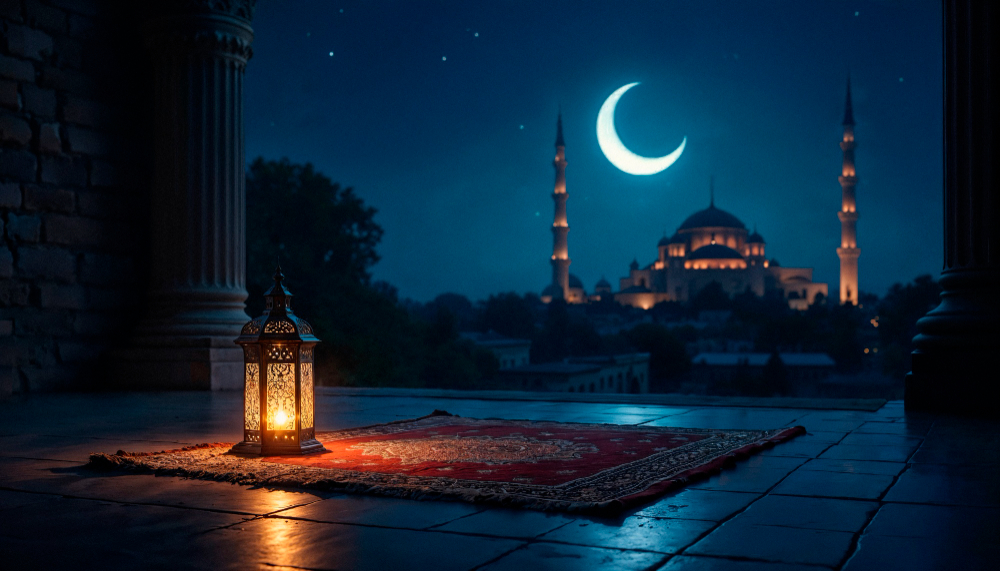
As Ramadan begins to near its end, the last 10 days of Ramadan, many Muslims experience a mixture of emotions that are difficult to describe. There is gratitude for having reached this blessed month, hope for acceptance, and often a quiet sense of regret. Some goals were achieved. Others were delayed. Some days felt spiritually strong, while others passed quickly under the weight of work, fatigue, or distraction.
This feeling is more common than people admit. Ramadan rarely unfolds exactly as planned. Yet Islam offers something deeply comforting: the most important part of Ramadan comes at the end.
The final ten nights are not a conclusion. They are an opportunity.
During these nights, the Prophet ﷺ increased his worship more than at any other time in the month. He intensified his devotion, awakened his family, and focused completely on seeking Allah’s mercy. These nights contain Laylatul Qadr, a single night whose reward surpasses a lifetime of worship.
This guide is written for those entering the last stretch of Ramadan who want clarity rather than pressure. You will learn why these nights matter so deeply, how the Prophet ﷺ approached them, realistic ways to increase worship without exhaustion, and how to finish Ramadan with calm intention and sincerity.
Why the Last 10 Days of Ramadan Are So Important
The last ten days of Ramadan are the most spiritually significant part of the month because they contain Laylatul Qadr, a night better than one thousand months, and represent the final opportunity to strengthen worship before Ramadan ends.
These days serve as a spiritual culmination. Whatever came before does not define the outcome of Ramadan. Many scholars remind believers that endings carry special weight in Islam. A strong finish can transform an imperfect beginning.
The Prophetic Example
Aisha (RA) reported that when the last ten nights began, the Prophet ﷺ would:
- Increase his acts of worship
- Stay awake during the night
- Wake his family members
- Dedicate himself fully to devotion
This change in behavior shows intentional escalation. Even though he was already the most devoted in worship, he still increased effort when the final nights arrived.
Increased Effort Without Panic
The purpose is not exhaustion or anxiety. The Prophet ﷺ did not approach these nights with frantic urgency but with focused devotion.
The lesson is simple: intensity should come with balance.
These nights invite seriousness, not stress. They encourage presence, not pressure.
The Sunnah of the Prophet ﷺ in the Last Ten Nights
Understanding how the Prophet ﷺ lived these nights provides practical guidance for modern Muslims.
Tightening His Waistcloth
Scholars explain this phrase as a metaphor for increased dedication. It meant stepping away from distractions and giving full attention to worship.
Today, this may mean:
- Reducing unnecessary social commitments
- Limiting entertainment
- Protecting evening hours for ibadah
Staying Awake at Night
The Prophet ﷺ extended his nightly worship. This did not necessarily mean remaining awake without rest, but prioritizing the night for prayer and remembrance.
Modern application:
- Sleep earlier when possible
- Take short daytime rests
- Schedule manageable night worship sessions
Waking Family Members
Spiritual growth was not individual only. He involved his household.
Families today can:
- Pray together briefly
- Share duas
- Encourage children gently without pressure
Even small shared acts create lasting memories.
Practicing I’tikaf
I’tikaf involves dedicating oneself to worship in the mosque during the last ten days. While not everyone can perform full i’tikaf, its spirit can still be practiced by creating intentional worship time at home.
Lessons from i’tikaf include:
- Reducing distractions
- Increasing reflection
- Creating sacred time daily
How to Prepare Mentally for the Final Stretch
Many people carry guilt into the last ten nights. They feel they did not do enough earlier in Ramadan.
This mindset quietly blocks spiritual progress.
Letting Go of Earlier Regret
Islam emphasizes returning to Allah at any moment. The door of mercy remains open until the very end.
Instead of thinking, “I wasted Ramadan,” shift toward:
“I still have nights filled with opportunity.”
Resetting Intention
Renew your intention simply:
- Seek forgiveness
- Improve sincerity
- Finish with effort
Intentions reshape actions quickly.
Consistency Over Perfection
Trying to suddenly perform extreme worship often leads to burnout. Sustainable acts performed nightly carry deeper impact.
Small consistent worship is beloved because it reflects sincerity.
Managing Energy Wisely
Energy management is part of worship.
- Eat lightly at Iftar
- Rest intentionally
- Avoid late-night distractions
Preserving strength allows meaningful engagement in prayer.
Best Acts of Worship During the Last 10 Days
The most effective worship is not complicated. It is consistent and sincere.
Salah
Prayer remains the foundation.
Practical approach:
- Prioritize Isha and Fajr
- Pray Taraweeh attentively
- Add short voluntary prayers after rest
Even two focused units of prayer can transform a night.
Qur’an Recitation
Reconnect with the Qur’an thoughtfully.
Try:
- Reading smaller portions slowly
- Reflecting on meanings
- Repeating verses that move your heart
Depth often matters more than quantity.
Dhikr
Dhikr keeps the heart alive throughout the night.
Simple phrases:
- SubhanAllah
- Alhamdulillah
- Allahu Akbar
- Astaghfirullah
These can be repeated while resting, walking, or preparing for prayer.
Dua
The last ten nights are nights of asking.
Write a dua list including:
- Personal forgiveness
- Family wellbeing
- Guidance and stability
- Long-term spiritual growth
Speaking honestly to Allah strengthens sincerity.
Charity
Giving charity during these nights multiplies reward.
Consider:
- Daily small donations
- Supporting ongoing charity projects
- Helping someone privately
Consistency ensures participation in Laylatul Qadr reward.
Seeking Laylatul Qadr the Right Way
Laylatul Qadr is sought, not identified in advance.
Why Its Date Is Hidden
The exact night remains unknown to encourage worship across multiple nights. If certainty existed, effort might become limited to one evening.
Hidden timing invites continuous devotion.
Worship Every Night
Approach each night as potentially Laylatul Qadr.
This removes anxiety and replaces guessing with action.
Avoid Obsession With Signs
Signs exist but appear subtle and often recognized afterward. Waiting for confirmation delays worship.
Focus on effort instead of evidence.
Balancing Effort and Sincerity
Laylatul Qadr is not earned through exhaustion but through sincerity.
A calm heart engaged in remembrance may achieve more than long distracted worship.

A Realistic Daily Worship Routine
Not everyone can spend entire nights awake. A balanced routine helps maintain consistency.
After Fajr
- Remain seated briefly for dhikr
- Read a few Qur’an pages
- Make morning duas
Even ten focused minutes shape the day.
Work or Daytime Routine
- Maintain intention while working
- Listen to Qur’an or reminders if possible
- Take short rest periods
Avoid draining energy unnecessarily.
Before Maghrib Preparation
- Reduce screen time
- Prepare dua list
- Reflect quietly before breaking fast
This transition prepares the heart for the night.
Evening Worship
- Pray Maghrib calmly
- Eat moderately
- Prepare mentally for Isha and Taraweeh
Heavy meals often reduce night worship quality.
Night Prayer Schedule
Example:
- Taraweeh prayer
- Rest briefly
- Wake for Tahajjud
- Make extended dua before Fajr
Flexibility is key. Adjust based on personal capacity.
Common Mistakes in the Last 10 Days
Awareness prevents regret.
Only Focusing on the 27th Night
Many assume Laylatul Qadr occurs only once on a specific night. Limiting effort risks missing it entirely.
Burning Out Early
Excessive worship on the first nights often leads to exhaustion later. Pace yourself.
Neglecting Sleep
Sleep supports concentration. Balanced rest improves worship quality.
Social Media Distraction
Even beneficial scrolling consumes valuable quiet moments meant for reflection.
Comparing Worship With Others
Spiritual journeys differ. Comparison leads to discouragement instead of growth.
Using a Ramadan Planner to Stay Consistent
During the last ten nights, decision fatigue becomes real. Each evening begins with the question: What should I focus on tonight?
A structured planner helps simplify worship by:
- Keeping organized worship goals visible
- Tracking nightly effort gently
- Reducing mental overwhelm
- Maintaining momentum across all nights
Instead of recreating plans daily, preparation allows immediate focus on ibadah.
You can explore our Ramadan Planner here
Frequently Asked Questions
Should I worship every night?
Yes. Worshipping all ten nights ensures you do not miss Laylatul Qadr.
What if I feel tired?
Reduce quantity but maintain consistency. Short sincere worship remains valuable.
Can small acts still count?
Yes. Even brief dhikr or dua performed sincerely carries immense reward.
How do families worship together?
Pray briefly together, share duas, and encourage participation gently without pressure.
Is rest allowed during these nights?
Yes. Balanced rest helps sustain worship across multiple nights.
What should Muslims do during the last 10 days of Ramadan?
During the last 10 days of Ramadan, Muslims should increase worship by praying extra salah, reciting the Qur’an, making sincere dua, giving charity, and seeking Laylatul Qadr by worshipping consistently every night rather than focusing on a single date
Conclusion
Ramadan passes quickly, yet its effects remain long after the month ends. The last 10 days of Ramadan are not about perfection or extraordinary performance. They are about sincere return and reconnecting with Allah through consistent worship.
Each prayer, each whispered dua, each moment of remembrance contributes to a spiritual ending that may define the entire month. The effort you make during the last 10 days of Ramadan carries a unique weight, offering opportunities for forgiveness, renewal, and lasting change.
Approach these nights calmly. Protect your time. Worship consistently rather than intensely for a single evening. Seek Allah with humility rather than expectation.
Finish Ramadan with intention, gratitude, and hope. The effort you make quietly in these nights may become the most meaningful investment of your year.