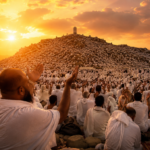
The Day of Arafah is not just another date on the Islamic calendar.
It is a day when hearts soften, sins are forgiven, tears fall in sincere repentance, and millions of pilgrims stand on the plains of Mount Arafat begging Allah SWT for mercy.
For Muslims around the world who are not performing Hajj, this sacred day is one of the greatest opportunities of the entire year.
Some people enter the Day of Arafah carrying years of sins and leave it spiritually reborn.
Others let the day pass like any ordinary day.
That difference is not about luck.
It is about preparation, sincerity, and understanding the immense virtues of Arafah.
The Prophet Muhammad ﷺ described fasting on the Day of Arafah as a means of expiation for the sins of the previous year and the coming year. Few acts of worship carry such extraordinary rewards.
This is the day of fasting, dhikr, Tahleel, Takbeer, heartfelt duas, Quran recitation, repentance, charity, and complete return to Allah SWT.
If you have been distant from Allah… this day is your invitation back.
In case you feel spiritually exhausted… this day is your healing.
If your heart is carrying burdens nobody knows about… this day is your chance to raise your hands and speak to your Lord.
In this complete guide, you will learn:
- What the Day of Arafah means in Islam
- Why it is among the holiest days of the year
- The rewards of fasting on Arafah
- The best duas for the Day of Arafah
- A practical worship plan for the entire day
- Common mistakes Muslims make on Arafah
- Whether Arafah is better than Laylatul Qadr
- How to maximize forgiveness and mercy from Allah SWT
Whether this is your first time intentionally preparing for Arafah or you have experienced many Dhul Hijjah seasons before, this guide will help you approach the day with purpose, sincerity, and hope.
What should Muslims do on the Day of Arafah?
Muslims should spend the Day of Arafah fasting, making sincere duas, increasing dhikr, reciting Quran, repenting for sins, giving charity, and remembering Allah SWT throughout the day. It is one of the holiest days in Islam and a powerful opportunity for forgiveness and mercy.
What is the Day of Arafah?
The Day of Arafah is the 9th day of Dhul Hijjah, the final month of the Islamic calendar.
It is the day before Eid al-Adha and one of the most sacred days in Islam.
The name “Arafah” comes from Mount Arafat, the plain where millions of Hajj pilgrims gather every year to perform the most important ritual of Hajj.
The standing at Arafah is so central to Hajj that the Prophet Muhammad ﷺ said:
“Hajj is Arafah.”
This day represents humility, repentance, surrender, and complete dependence on Allah SWT.
From the early morning until sunset, pilgrims stand on the plains of Arafah crying, praying, repenting, and asking Allah for mercy.
For Muslims around the world who are not on Hajj, the Day of Arafah is still immensely significant.
It is a day of:
- Fasting
- Worship
- Dhikr
- Takbeer
- Tahleel
- Sincere supplication
- Forgiveness
- Spiritual renewal
Allah SWT chose these days of Dhul Hijjah as among the greatest days of the year.
In Surah Al-Fajr, Allah says:
“By the dawn; and by the ten nights.” (Quran 89:1-2)
Many scholars explained that these “ten nights” refer to the first ten days of Dhul Hijjah.
The Day of Arafah falls within these blessed days.
Why is Mount Arafat So Important?
Mount Arafat is where Prophet Muhammad ﷺ delivered his Farewell Sermon during his final Hajj.
It was also on the Day of Arafah that Allah revealed:
“Today I have perfected your religion for you, completed My favor upon you, and approved Islam as your religion.” (Quran 5:3)
This alone shows the greatness of the day.
The Day of Arafah is connected to:
- Completion of Islam
- Forgiveness of sins
- Freedom from Hellfire
- Acceptance of dua
- Mercy from Allah SWT
No believer should treat it casually.
Why is the Day of Arafah So Important?
The Day of Arafah in Islam is considered one of the most spiritually powerful days of the entire year.
It combines:
- The blessings of Dhul Hijjah
- The sacred rituals of Hajj
- Massive forgiveness from Allah SWT
- Extraordinary rewards for worship
- Acceptance of supplication
Why is Day of Arafah Important?
The Day of Arafah is important because Allah SWT forgives sins, frees people from Hellfire, and accepts sincere duas on this sacred day. It is the most important day of Hajj and among the greatest days in Islam for fasting, repentance, and worship.
Allah Frees People from the Fire
The Prophet Muhammad ﷺ said:
“There is no day on which Allah frees more people from the Fire than the Day of Arafah.”
Think carefully about that.
Out of all days in the year, this is the day with the greatest number of people receiving mercy and salvation.
Allah Boasts About His Servants
In another authentic narration, Allah SWT boasts to the angels about the pilgrims standing at Arafah.
They come exhausted, dusty, emotional, broken, and hopeful.
This shows that Allah loves sincere humility.
Not perfection.
No performance.
Not appearances.
Humility.
A Day of Forgiveness
Many Muslims underestimate the power of sincere repentance.
One sincere dua on Arafah can change the direction of your life.
One honest moment of tears can erase years of sins.
This is why scholars encouraged believers to spend the day intensely engaged in worship.
Better Than Ordinary Worship Days
The first ten days of Dhul Hijjah are among the greatest days for Islamic worship.
The Prophet ﷺ said:
“There are no days in which righteous deeds are more beloved to Allah than these ten days.”
The Day of Arafah is the peak of these sacred days.
Connection Between Hajj and Global Worship
Pilgrims gather physically at Mount Arafat.
Muslims worldwide connect spiritually through fasting, duas, and dhikr.
Even if you are far from Makkah, you can still experience the blessings of Arafah.
Rewards of Fasting on the Day of Arafah
Fasting on the Day of Arafah is one of the most rewarding voluntary fasts in Islam.
For non-pilgrims, it is highly recommended Sunnah.
Fasting on the Day of Arafah expiates the sins of the previous year and the coming year for non-pilgrims, according to authentic Hadith.
Hadith About Arafah Fasting Rewards
The Prophet Muhammad ﷺ said:
“Fasting the Day of Arafah, I hope from Allah, expiates for the sins of the year before and the year after.”
This Hadith alone should motivate every capable Muslim to fast.
Very few acts of worship carry rewards connected to two full years of sins.
What Sins Are Forgiven?
Scholars explained that this refers to minor sins.
Major sins still require:
- Sincere repentance
- Stopping the sin
- Regret
- Intention not to return
Still, the reward remains extraordinary.
Who Should Fast on the Day of Arafah?
Recommended for:
- Muslims not performing Hajj
- Adults physically capable of fasting
- Those seeking forgiveness and reward
Not Recommended for:
- Pilgrims standing at Arafah during Hajj
The Prophet ﷺ did not fast while standing at Arafah during Hajj because the rituals require strength and energy.
Benefits of Fasting on Arafah
Spiritual Benefits
- Softens the heart
- Increases sincerity
- Strengthens taqwa
- Encourages repentance
- Creates focus in worship
Emotional Benefits
Many Muslims experience deep emotional clarity during fasting.
The hunger reminds the soul that worldly distractions are temporary.
It becomes easier to cry in dua.
Easier to reflect.
Easier to reconnect with Allah SWT.
Practical Benefits
Fasting naturally reduces:
- Excessive social media use
- Wasted time
- Laziness
- Overeating
- Distraction
Rewards of Fasting on the Day of Arafah
- Expiates sins of two years
- One of the best Sunnah fasts
- Increases taqwa and sincerity
- Encourages repentance
- Helps maximize Dhul Hijjah worship
- Strengthens spiritual discipline
Best Duas for the Day of Arafah
The Day of Arafah is one of the greatest days for dua.
The Prophet ﷺ said:
“The best dua is the dua made on the Day of Arafah.”
This means believers should spend large portions of the day making sincere supplication.
The Best Dhikr for Arafah
The Prophet ﷺ said:
“The best that I and the Prophets before me have said on the Day of Arafah is:
La ilaha illallahu wahdahu la sharika lah, lahul mulku wa lahul hamd, wa huwa ala kulli shay’in qadeer.”
Arabic
لا إِلَهَ إِلَّا اللَّهُ وَحْدَهُ لَا شَرِيكَ لَهُ، لَهُ الْمُلْكُ وَلَهُ الْحَمْدُ وَهُوَ عَلَى كُلِّ شَيْءٍ قَدِيرٌ
Transliteration
La ilaha illallahu wahdahu la sharika lah, lahul mulku wa lahul hamd, wa huwa ala kulli shay’in qadeer.
English Translation
There is no god except Allah alone without partner. To Him belongs all dominion and praise, and He has power over all things.
Dua for Forgiveness
Arabic
اللَّهُمَّ إِنَّكَ عَفُوٌّ تُحِبُّ الْعَفْوَ فَاعْفُ عَنِّي
Transliteration
Allahumma innaka ‘afuwwun tuhibbul ‘afwa fa’fu ‘anni.
Translation
O Allah, You are Most Forgiving and love forgiveness, so forgive me.
Dua for Guidance and Protection
Arabic
رَبَّنَا آتِنَا فِي الدُّنْيَا حَسَنَةً وَفِي الْآخِرَةِ حَسَنَةً وَقِنَا عَذَابَ النَّارِ
Transliteration
Rabbana atina fid-dunya hasanah wa fil-akhirati hasanah wa qina ‘adhaban-nar.
Translation
Our Lord, grant us good in this world and good in the Hereafter and protect us from the punishment of the Fire.
Personal Duas Matter Too
Many people wrongly think they must only recite memorized Arabic duas.
Speak to Allah SWT honestly.
Ask Him:
- To forgive your sins
- To heal your heart
- To guide your family
- To increase your iman
- To protect your future
- To grant Jannah
Some of the most sincere duas are spoken through tears in your own language.
Arafah Dua List Checklist
Copy-Friendly Worship Checklist
- Repeat Tahleel frequently
- Make dua after every prayer
- Ask forgiveness repeatedly
- Send salawat upon the Prophet ﷺ
- Make dua for parents and family
- Recite Quran with reflection
- Ask Allah for Jannah
- Seek protection from Hellfire
- Make dua before Maghrib
Best Acts of Worship on Arafah
Many Muslims only focus on fasting.
That is a mistake.
The Day of Arafah should be filled with complete worship.
1. Fasting
This is the foundation of worship for non-pilgrims.
Fast sincerely for Allah SWT.
Avoid turning the day into a cultural routine without spiritual focus.
2. Dhikr and Takbeer
Increase remembrance of Allah throughout the day.
Examples include:
- SubhanAllah
- Alhamdulillah
- Allahu Akbar
- La ilaha illallah
- Astaghfirullah
The tongue should remain alive with dhikr.
3. Quran Recitation
Read Quran slowly and reflect deeply.
Even a small amount with sincerity is powerful.
Suggested Surahs:
- Surah Yaseen
- Surah Rahman
- Surah Mulk
- Surah Ikhlas
- Surah Fajr
4. Tahajjud
Begin the Day of Arafah before Fajr.
Wake up in the last third of the night.
Pray Tahajjud.
Cry to Allah SWT.
Many life-changing duas are made during these quiet moments.
5. Charity
Giving charity on sacred days multiplies rewards.
Feed fasting people.
Help struggling families.
Support Islamic education.
6. Repentance
Do not waste the day pretending everything is fine spiritually.
Face your sins honestly.
Repent sincerely.
Allah’s mercy is greater than your mistakes.
7. Sending Salawat
Increase blessings upon Prophet Muhammad ﷺ.
Example:
Allahumma salli ala Muhammad wa ala ali Muhammad.
8. Sincere Dua
Spend serious time making dua.
Not rushed.
No distraction.
Not while scrolling your phone.
Sit quietly.
Raise your hands.
Speak to Allah.
What to Avoid on the Day of Arafah
Some Muslims unintentionally waste this sacred day.
1. Wasting Time on Social Media
Scrolling endlessly destroys spiritual focus.
A few minutes become hours.
Arafah should not be another entertainment day.
2. Missing Salah
Some people fast but neglect prayer.
This is spiritual inconsistency.
The obligatory prayers remain the priority.
3. Empty Rituals Without Sincerity
Islamic worship is not performance.
Do not worship for social media posts or public praise.
Allah SWT looks at sincerity.
4. Arguing and Gossip
Protect your tongue.
Avoid:
- Backbiting
- Gossip
- Online arguments
- Complaining constantly
5. Treating the Day Casually
Many people know the virtues of Arafah but make no plan.
Then the day disappears.
Preparation matters.
6. Delaying Repentance
Some people assume they have unlimited time.
They do not.
The Day of Arafah is an opportunity.
Not a guarantee.
Hour-by-Hour Day of Arafah Worship Plan
This practical worship plan can help maximize the blessings of Arafah.
Before Fajr
Worship Goals
- Wake for Tahajjud
- Make sincere repentance
- Pray Witr
- Make personal duas
- Eat suhoor mindfully
Suggested Reflection
Ask yourself:
“If this were my final Arafah, how would I worship today?”
Fajr to Sunrise
Worship Goals
- Pray Fajr in congregation if possible
- Sit in dhikr after prayer
- Read Quran
- Repeat Takbeer and Tahleel
Recommended Dhikr
- Astaghfirullah
- SubhanAllah wa bihamdihi
- La ilaha illallah
Morning Hours
Worship Goals
- Listen to Islamic reminders
- Avoid distractions
- Continue dhikr while working
- Give charity online or locally
Practical Tip
Reduce unnecessary conversations.
Protect your energy for worship.
Dhuhr to Asr
Worship Goals
- Pray on time
- Spend dedicated time making dua
- Read Quran translation
- Reflect on your life honestly
Powerful Reflection Questions
- Which sins do I need to leave permanently?
- What relationship with Allah do I truly want?
- What habits are damaging my soul?
Asr to Maghrib
This is the most emotionally intense part of Arafah.
Many scholars emphasized increasing dua before sunset.
Worship Goals
- Sit facing Qiblah if possible
- Raise your hands sincerely
- Make long heartfelt duas
- Cry if your heart softens
- Ask repeatedly for forgiveness
Dua Categories
- Forgiveness
- Rizq
- Marriage
- Family guidance
- Health
- Jannah
- Protection from Hellfire
- Strong iman
Do not rush this period.
This may become one of the most important conversations you ever have with Allah SWT.
After Maghrib
Worship Goals
- Break fast with gratitude
- Make dua at iftar
- Pray Maghrib calmly
- Continue Takbeer
- Thank Allah for reaching Arafah
Best Time to Make Dua on Arafah
Dua can be made throughout the Day of Arafah.
However, certain times carry special spiritual weight.
Before Maghrib Is Especially Powerful
Many scholars highlighted the final hours before sunset.
This is when pilgrims at Mount Arafat are intensely engaged in dua.
Muslims worldwide should also increase supplication during this time.
During Sujood
The Prophet ﷺ taught that a servant is closest to Allah while in sujood.
Lengthen your prostration.
Speak honestly.
Between Adhan and Iqamah
This is another powerful time for accepted duas.
During Fasting
The dua of a fasting person is highly valued.
Especially at iftar.
Emotional Connection Matters
Do not make robotic duas.
Slow down.
Feel your words.
Understand your dependence on Allah SWT.
The strongest duas often come from broken hearts.
Common Mistakes Muslims Make on Arafah
1. Focusing Only on Fasting
Fasting is important.
But Arafah is much bigger than hunger.
Many people fast yet spend the day distracted.
2. Ignoring Dua
The Day of Arafah is one of the best days for supplication.
Yet some Muslims barely raise their hands.
This is a major loss.
3. No Preparation
People prepare heavily for weddings, exams, and travel.
But not for sacred days.
Prepare spiritually before Arafah arrives.
4. Spending the Day Casually
Watching random videos all day while fasting defeats the purpose.
Protect the sanctity of the day.
5. Forgetting Repentance
Some Muslims ask for dunya constantly but never sincerely repent.
Repentance should be central.
6. Comparing Worship Online
Avoid turning worship into competition.
Your sincerity matters more than public appearance.
Is the Day of Arafah Better Than Laylatul Qadr?
This is an important scholarly discussion.
Some scholars explained:
- The night of Laylatul Qadr is the greatest night.
- The Day of Arafah is the greatest day.
Why Laylatul Qadr Is Special
- Quran was revealed
- Worship equals more than 1,000 months
- Angels descend with mercy
Why Arafah Is Special
- Massive forgiveness
- Completion of religion
- Peak of Hajj
- Greatest day for dua
- Freedom from Hellfire
Scholarly Perspective
Rather than arguing which is “better,” believers should maximize both.
Laylatul Qadr transforms nights.
Arafah transforms hearts.
Important Difference
Laylatul Qadr occurs during Ramadan.
Arafah occurs during Dhul Hijjah.
Both seasons are opportunities for spiritual rebirth.
Day of Arafah 2026
The Day of Arafah 2026 is expected to fall around late May 2026, depending on moon sighting confirmations in different countries.
Muslims should follow their local Islamic authorities for the official date.
Prepare early instead of waiting until the last moment.
Spiritual preparation before Dhul Hijjah often determines how meaningful Arafah becomes.
Practical Emotional Reflection for Arafah
Imagine standing before Allah SWT with every sin exposed.
Every private mistake.
Every hidden struggle.
All moment of weakness.
Now imagine Allah opening the doors of mercy anyway.
That is the spirit of Arafah.
This day is not only for the perfect.
It is for sinners trying to return.
For those who have exhausted hearts.
It is for believers who still hope in Allah’s mercy.
Do not let Shaytan convince you that you are too far gone.
One sincere Day of Arafah can change your entire relationship with Allah.
What should Muslims do on the Day of Arafah?
Muslims should fast, make sincere duas, increase dhikr, recite Quran, repent from sins, give charity, and spend the day remembering Allah SWT.
What is the reward for fasting on Arafah?
According to authentic Hadith, fasting on the Day of Arafah expiates the sins of the previous year and the coming year for non-pilgrims.
Can pilgrims fast on the Day of Arafah?
Pilgrims performing Hajj are generally advised not to fast because they need strength for the rituals at Mount Arafat.
What is the best dua for Arafah?
The best dhikr for Arafah is:
“La ilaha illallahu wahdahu la sharika lah…”
Muslims should also make personal duas sincerely from the heart.
When does the Day of Arafah start and end?
The Day of Arafah begins at Fajr on the 9th of Dhul Hijjah and ends at Maghrib.
Why is Arafah important in Islam?
It is one of the holiest days in Islam, connected to Hajj, forgiveness, mercy, and acceptance of dua.
Is fasting on Arafah compulsory?
No. It is highly recommended Sunnah for non-pilgrims but not obligatory.
What are the best deeds on Arafah?
The best deeds include fasting, dua, dhikr, Quran recitation, repentance, charity, Tahajjud, and sending salawat.
Can you make any dua on Arafah?
Yes. Muslims can ask Allah SWT for both worldly and spiritual needs.
Is Arafah better than Laylatul Qadr?
Many scholars said Laylatul Qadr is the greatest night while Arafah is the greatest day.
Conclusion
The Day of Arafah is not merely a date.
It is an opportunity Allah SWT gives His servants again and again.
Some people will finish the day forgiven.
Others will leave unchanged.
The difference lies in sincerity.
Do not approach Arafah passively.
Fast with intention.
Make dua with humility.
Repent honestly.
Remember Allah frequently.
Disconnect from distractions.
Reconnect with your Creator.
The Day of Arafah can become the turning point of your life.
Do not underestimate what Allah SWT can change in one sincere day of worship.
If this guide helped you prepare for the Day of Arafah, share it with family and friends so more people can benefit from the blessings of this sacred day.